Semaglutide (Wegovy) side effects: what the patient leaflet says

The side effects listed in the official patient leaflet and on the NHS website, how often they happen, and the signs that need urgent help.

In this article
Semaglutide, also known by Wegovy, side effects are mostly felt in the stomach and gut. The patient leaflet lists headache, feeling sick, being sick, diarrhoea, constipation, stomach pain and tiredness as very common, which means they may affect more than 1 in 10 people. It says these usually go away over time. A smaller number of side effects are serious, and the leaflet and the NHS set out which signs need urgent help.
What are the most common side effects of semaglutide?
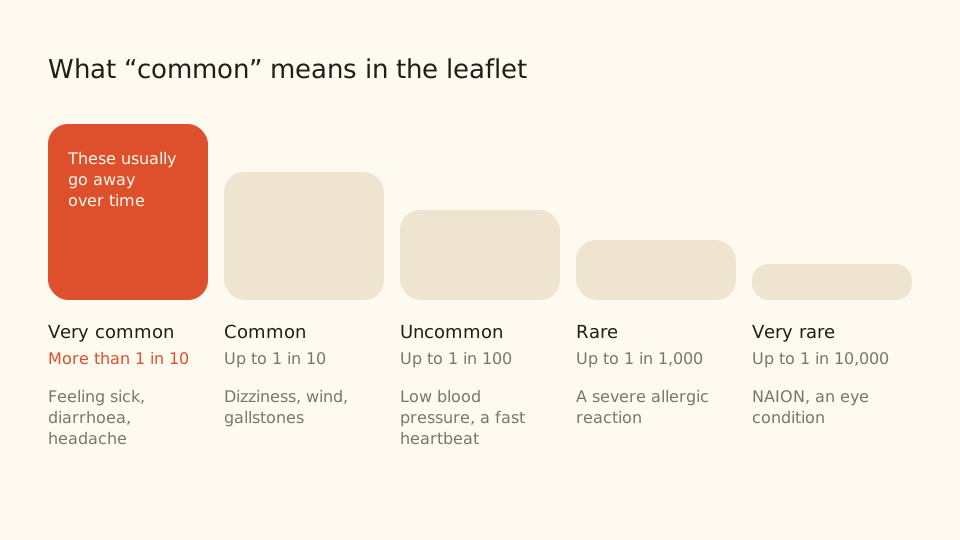
The leaflet groups side effects by how often they were seen. Very common effects, which may affect more than 1 in 10 people, are headache, feeling sick, being sick, diarrhoea, constipation, stomach pain and feeling weak or tired.
Common effects, affecting up to 1 in 10 people, include dizziness, indigestion, burping, wind, bloating, heartburn, gallstones, hair loss, changes in taste and reactions where you inject. The NHS semaglutide page lists the same pattern. Uncommon effects, affecting up to 1 in 100 people, include low blood pressure, feeling dizzy when you stand up and a fast heartbeat.
Being sick or having diarrhoea can lead to dehydration, so the leaflet advises drinking enough fluids, especially if you have kidney problems. The NHS advises not drinking alcohol while using semaglutide, because it can make feeling or being sick worse.
If a side effect bothers you or does not go away, speak to your prescriber or a pharmacist, and keep using the medicine unless you are told to stop.
Which side effects need urgent help?
The leaflet asks you to stop using the medicine and get urgent medical help if you have severe, persistent pain in the stomach area, with or without being sick. This could be a sign of acute pancreatitis, which is serious. The MHRA describes the main symptom as severe stomach pain that spreads to the back and does not go away.
Severe allergic reactions, with swelling of the face, lips, tongue or throat and difficulty breathing, are rare and may affect up to 1 in 1,000 people. A very rare eye condition called NAION, which may affect up to 1 in 10,000 people, can cause loss of vision. If your eyesight suddenly gets worse, contact your prescriber or GP urgently, or call 111 or go to A&E if you cannot reach them.
People with diabetes may notice changes in vision from diabetic eye disease, and low blood sugar is more likely if semaglutide is used with insulin or a sulfonylurea. If you think you are having a serious side effect, call NHS 111.
Who should check with a prescriber before using semaglutide?
The leaflet also lists times when semaglutide should not be used. It is not used during pregnancy, so use contraception if you could get pregnant, and stop at least 2 months before trying for a baby. If you become pregnant while using it, speak to a healthcare professional straight away.
It is not used while breastfeeding, because it passes into breast milk.
If you have an operation coming up under general anaesthetic or sedation, tell the team looking after you. Semaglutide slows how quickly your stomach empties, which can change the instructions you are given beforehand.
Tell your pharmacist about everything you take, as some medicines, including warfarin, levothyroxine and insulin, may not mix well with semaglutide.
How do I report a side effect?
Anyone can report a suspected side effect to the Yellow Card scheme, which is run by the MHRA, online or through the Yellow Card app. Reports help the MHRA spot new safety issues as early as possible. The MHRA also asks people to report products they suspect are not genuine.
For the full list of side effects, read the leaflet that comes with your medicine or look it up on the electronic medicines compendium. Semaglutide is one of several treatment options for overweight and obesity, alongside lifestyle programmes, other medicines and surgery, and the NHS guide to overweight and obesity describes them all.