Eating with the seasons
What grows in Britain through the year, how seasonal fruit and vegetables fit the NHS 5 A Day, and why frozen and tinned still count.

In this article
Eating with the seasons means building meals around what British growers are harvesting now: apples and squash in autumn, or asparagus and strawberries in early summer. Seasonal eating is an easy habit to start in October, when the list is long. It is a simple way to vary your fruit and vegetables through the year, and every portion counts towards your 5 A Day, whether it is fresh, frozen or tinned.
What is in season in the UK right now?
The British Dietetic Association publishes a month-by-month list of UK produce, drawn up by the Vegetarian Society. Autumn is one of the fullest times of year. In October the list includes apples, pears and blackberries, with vegetables from beetroot and Brussels sprouts to squash and wild mushrooms.
| Months | Fruit | Vegetables |
|---|---|---|
| January to March | Apples, pears, rhubarb | Leeks, kale, parsnips, purple sprouting broccoli |
| April to June | Rhubarb, strawberries, cherries | Asparagus, peas, spinach, new potatoes |
| July to September | Raspberries, blackberries, plums | Courgettes, tomatoes, runner beans, sweetcorn |
| October to December | Apples, pears, cranberries | Squash, Brussels sprouts, celeriac, kale |
The full BDA seasonal list goes month by month and is worth keeping on your phone for the shops.
Does seasonal food count towards my 5 A Day?
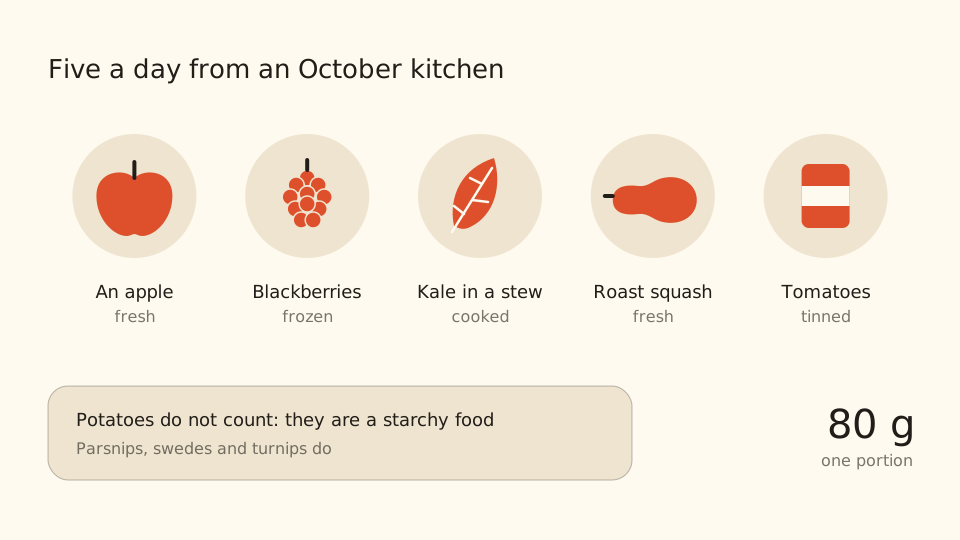
Yes. Almost all fruit and vegetables count, and 80g of fresh, canned or frozen fruit or vegetables makes one portion. Potatoes do not count because they are a starchy food, but parsnips and swedes do, and so do turnips.
The Eatwell Guide asks for at least 5 portions a day and says fruit and vegetables should make up just over a third of the food you eat. The BDA goes further for anyone trying to lose weight: fill half your plate with fruit and vegetables at each meal, choosing seasonal options.
Frozen and tinned produce count too, which matters in late winter when the fresh list is short. Choose tins in natural juice or water, with no added sugar or salt. If you have wondered whether frozen veg counts as 5 A Day, it does. See the NHS guide to what counts as 5 A Day.
“Frozen peas in February are still a portion of vegetables, and so is a tin of tomatoes.”
How can I cook with what is in season?
Start with one seasonal swap a week. In autumn that might mean roasting squash with a Sunday dinner, stirring kale into a stew, or cooking apples and blackberries down to spoon over porridge.
Leave the skins on where you can. The NHS suggests potatoes with their skins on and plenty of vegetables in sauces and stews as easy ways to raise your fibre. Adults are advised to aim for 30g of fibre a day, and most of us eat less than that.
Soup is the most forgiving seasonal meal: leeks and potatoes in winter; peas and spinach in early summer; tomatoes and courgettes in August. Fruit and vegetables cooked in soups and stews count towards your 5 A Day.
Can seasonal vegetables help with weight loss?
They can make meals more filling for fewer calories. NHS Better Health says most vegetables are high in fibre and vitamins and low in calories, and can help you feel fuller for longer. It suggests 2 or more portions of vegetables with your main meal, which fills about half the plate.
Seasonal produce keeps that half of the plate interesting. Roasted squash with kale in October looks and tastes nothing like courgettes with tomatoes in July, even though the idea behind the plate is the same.
The extras are where the calories add up. All fats are high in energy, so the Eatwell Guide suggests using oils in small amounts, which matters when you roast, and keeping fruit juice and smoothies to 150ml a day in total.
Do I have to eat only seasonal food?
No. The benefit comes from eating enough fruit and vegetables, and a variety of them, wherever they were grown. Seasonal eating is one way to get that variety without much planning, because the list changes every month.
The BDA includes its seasonal guide in its advice on eating more sustainably. Frozen peas in February are still a portion of vegetables, and so is a tin of tomatoes. Adding a few seasonal things to your usual shop is enough to bring more variety onto the plate.