Are ultra processed foods bad for you?
Which everyday foods carry the ultra processed label, what it means for your weight, and the one change worth making first.

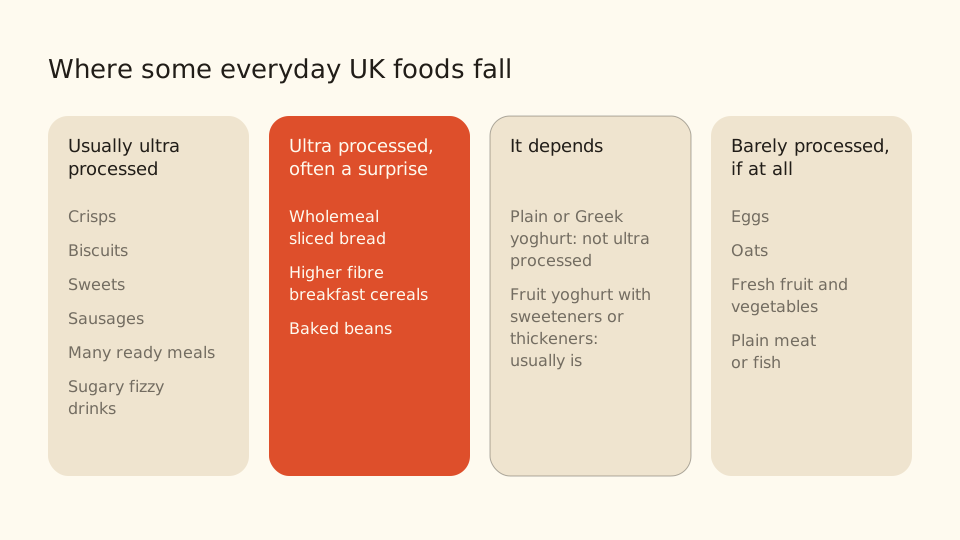
Many ultra processed foods are high in calories, saturated fat, salt or sugar, so yes, a lot of them are bad for you in large amounts. The label is blunt, though. It also covers wholemeal bread, higher fibre cereals and baked beans, which can be part of a healthy diet. If you’re trying to lose weight, change the foods that carry the most salt, sugar or fat first, rather than banning everything with the label.
What counts as ultra processed food?
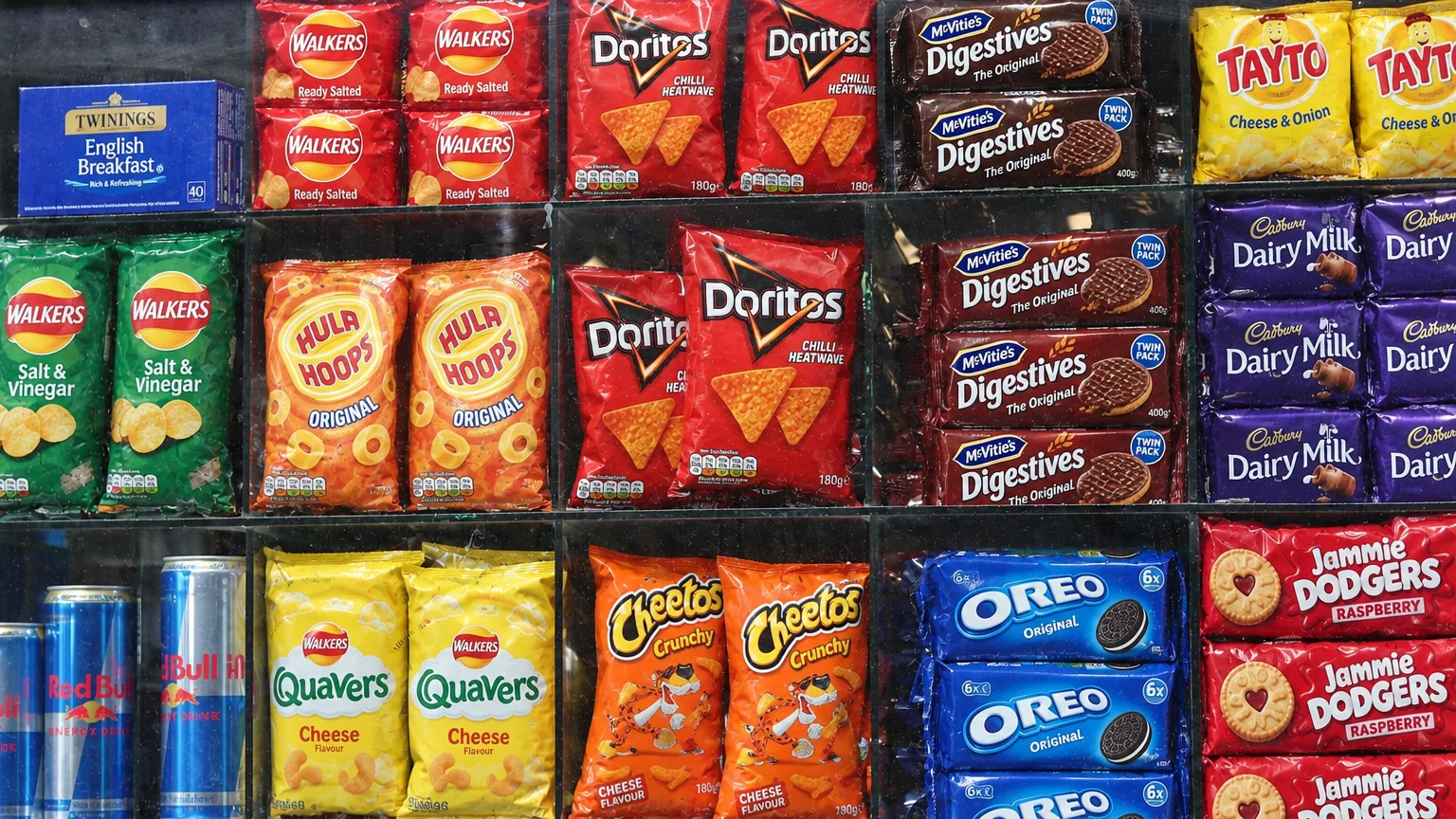
Ultra processed food often includes ingredients you wouldn’t keep in your own kitchen, such as emulsifiers, sweeteners or added flavourings. It usually comes ready to eat or heat, with a long list of ingredients on the back.
It’s a narrower group than processed food. Freezing, tinning or adding salt makes a food processed, and not all processed foods are unhealthy. Frozen peas, tinned tomatoes and cheese are all processed, and each can be part of a good week’s eating.
Here’s where some everyday UK foods fall:
Are ultra processed foods bad for you because of the processing?
Ultra processed diets may make people eat more and gain weight. The question is why. It could be the processing itself, or how many calories the food packs into each bite (energy density).
In a study of 20 adults at a steady weight, each lived in a hospital unit for four weeks. They ate ultra processed meals for two weeks and unprocessed meals for two, as much as they liked. The menus were matched on calories and on the nutrients that usually get the blame, such as sugar and salt. Even so, people ate about 500 calories a day more on the ultra processed meals, and over each fortnight it added up:
- Over 14 days, 500 extra calories a day comes to roughly 7,000.
- People gained about 0.9 kg on the ultra processed meals.
- They lost about 0.9 kg on the unprocessed meals.
- A gap of about 1.8 kg between the two fortnights, in the same people.
A review of the trials so far also found more weight gain on ultra processed diets. But those diets weren’t matched for nutrients, and where they had a similar energy density, people ate about the same.
Do you have to cut out all ultra processed food?
No, you don’t. The surprising foods in that list earn their place, because wholemeal bread and higher fibre cereals bring fibre, and a tin of beans brings protein too. .
For most people trying to lose weight, cutting out every ultra processed food is hard. The label covers too much of a normal weekly shop, from the bread in the toaster to the cereal in the cupboard.
What should I change first?
Start with the ultra processed food you eat most often that’s high in salt, sugar or fat. If the colours on the front of the pack show red for any of those, it’s a good place to begin. Change that one food first, because what you eat every day adds up faster than an occasional treat.
Keep the moment, change the food:
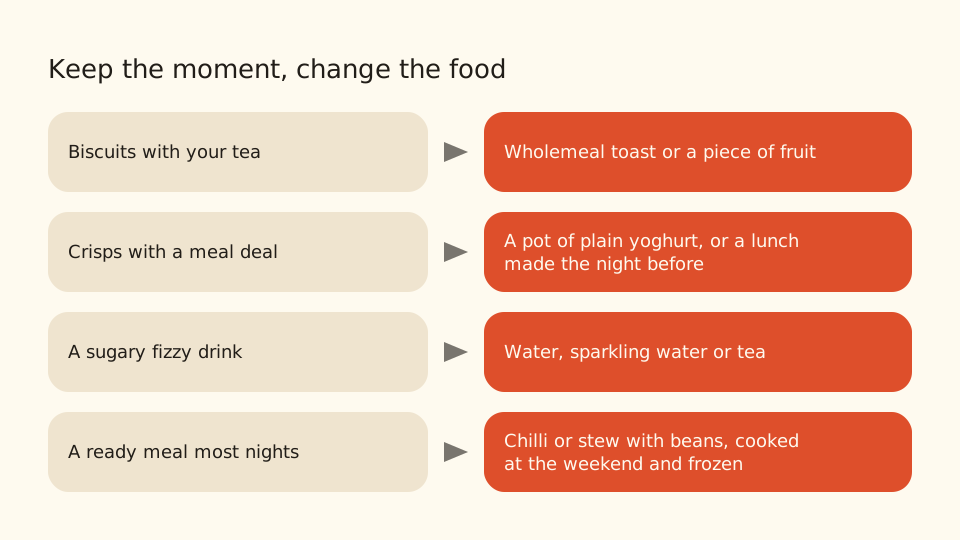
Pick your one food today and swap it every time for the next week. When that feels normal, choose the next one.
Recommended watch

UK doctor switches to 80% ultra-processed food diet for 30 days
A good insight into the impacts of ultra-processed food on the body and mind.
Watch on YouTubeYouTube’s player loads only when you press play.
Sources
- What are processed foods? (NHS)
- Hall et al. Ultra-Processed Diets Cause Excess Calorie Intake and Weight Gain: An Inpatient Randomized Controlled Trial of Ad Libitum Food Intake. Cell Metabolism, 2019.
- Robinson et al. A systematic review and meta-analysis of randomized controlled trials examining the effect of ultra-processed food on energy intake and weight gain. Critical Reviews in Food Science and Nutrition, 2026.