How to lose weight with a busy job in the UK

In this article
To lose weight with a busy job, settle the food before the working day starts and fit activity into the gaps that you have. Plan the first meal and the packed lunch, drink water instead of sugary drinks, and split 150 minutes of activity a week into short sessions. Desk exercises break up long spells of sitting.
What matters most when you lose weight with a busy job?
The food you decide on before work matters most, because a long day takes away the chances to decide well. Skipping meals can backfire by leading to more snacking. On a day of back-to-back meetings, the skipped lunch may be no saving at all, because it can come back later as the snacks at four o’clock and the takeaway picked up on the way home at nine.
So build the working day on four anchors, each one something you can settle in a few minutes:
- The first meal, eaten before or at the start of work, with sugary cereal swapped for a wholegrain one.
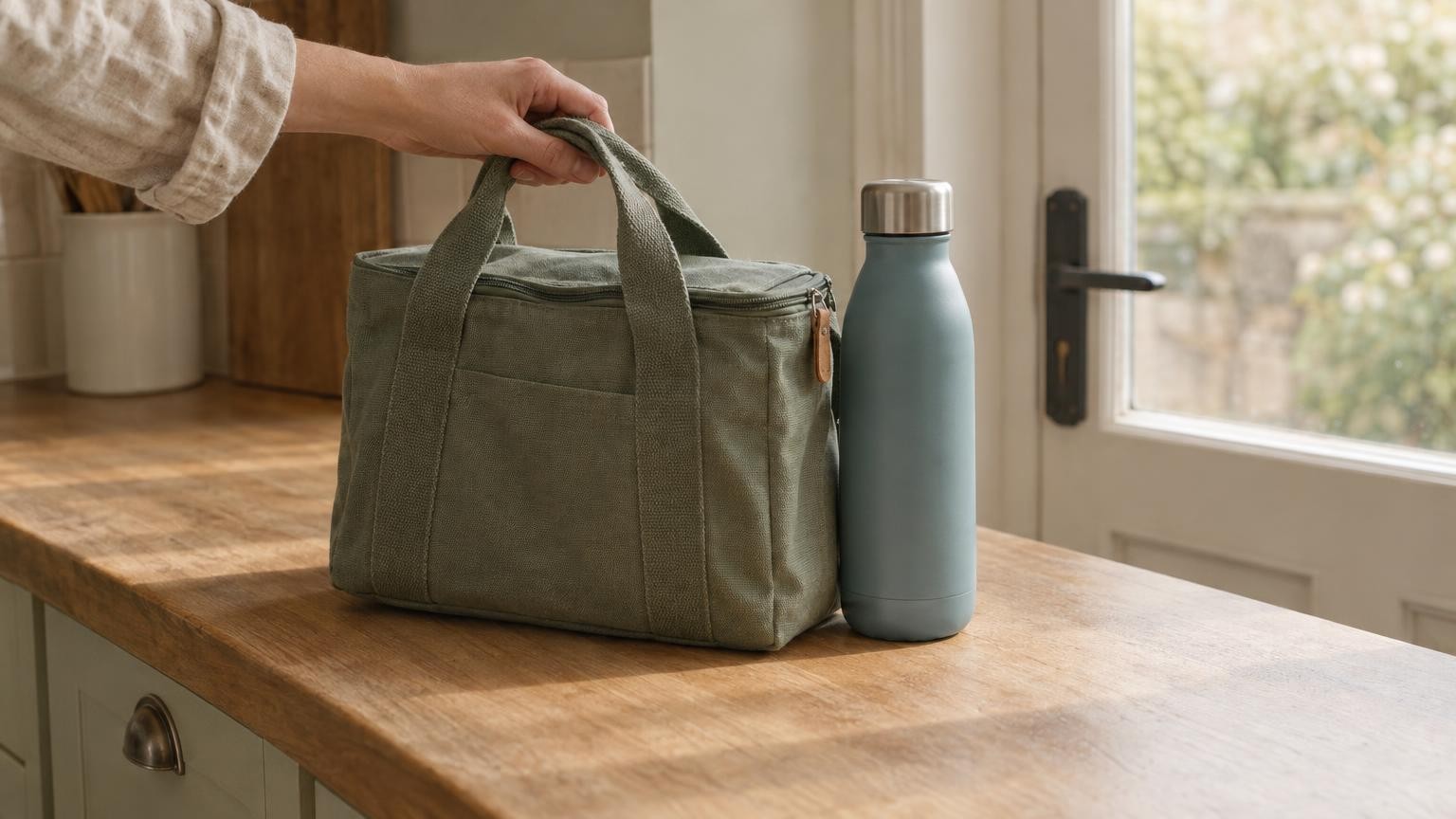
- The packed lunch, made the night before or taken from a batch cooked at the weekend.
- The walk, short and put in the diary like any other meeting.
- The evening meal, decided in the weekly shop so the fallback on a late night is already in the fridge.
Drinks run across all four. Swapping sugary drinks for water costs no time at all.
How do I plan meals on a long working day?
Plan once a week, on a day off. A weekly menu, a shopping list, cooking in bulk and freezing portions mean healthy options are there when you are busy. Make a big pan of chilli or chicken curry on a Sunday, with extra veg stirred in, split it into four boxes, and lunch is sorted from Monday to Thursday.
Aim for three balanced meals a day, with smaller portions of everything except vegetables. If you work shifts, count the three meals from when you get up, whatever the clock says. Before a night shift, breakfast might be at two in the afternoon, a main meal before you leave, and the packed meal the one you eat at work in the small hours. The meals stay the same. Only the times change.
How much can a small change add up to?
More than it looks, because a small change repeats. Eating just 100 calories less each day could, in theory, lead to 5 kg (11 lb) of weight loss over a full 12 months, if you keep it up every single day of the year.
Now keep the cut only on working days, five days a week for 52 weeks, which is 260 days and 26,000 calories, and on the same theory the year comes to about 3.5 kg. That is roughly seven tenths of the full figure, with weekends left alone. So the cut doesn’t need to happen every day.
How much activity fits around a full-time job?
Enough to meet the guidance. UK adults are advised to do at least 150 minutes of moderate intensity activity a week, or 75 minutes of vigorous activity, and the 150 minutes can be split into shorter sessions. Two 15-minute walks at moderate intensity on each working day, one at lunch and one on the way home, come to 150 minutes across a five-day week without touching the weekend.
Lunchtime walks earn their place twice: they count towards that weekly total, and they take you away from the desk at the point in the day most likely to swallow lunch altogether. If you count steps, see how many steps a day is enough. Strengthening activity is also advised on at least two days a week, and it is the harder one to fit around work, so give it a fixed slot such as one weekday evening and a weekend morning.
Do desk exercises help when you sit all day?
They help with sitting. Adults are advised to cut the time they spend sitting and to break up long periods of not moving with some activity, and people of every age to limit the time they spend sedentary. Standing for phone calls, walking to a colleague’s desk instead of sending a message and a few minutes of stretching each hour all do that job.
No figure for weight comes with them, though, so count them as something you do for your health and wellbeing over the years, and keep the walks and the packed lunch as the plan for weight.
Do workplace weight programmes work?
They help a little, on average, for a while. In a 2019 review in Nutrition Research and Practice, Park and Kim pooled 7 randomised trials of worksite diet programmes in 2,854 employees living with overweight or obesity, lasting 18 weeks to 12 months, and weight fell by a pooled average of 4.37 kg compared with the comparison groups. The authors call the effect modest and short term.
If your employer runs a structured weight programme, that pooled result is a reason to look at it. Most people with a busy job don’t have one, though. The trials also say little about what happens once a programme ends.
What should I check if the scales don’t move?
Check the anchors before you change the plan. Look back over a fortnight and count how many working days had a first meal, a packed lunch and a walk. Weigh yourself at a set time, as how often to weigh yourself explains. That way you can see the trend.