High protein vegetarian meals, portion by portion

High protein vegetarian meals start with eggs, Greek yoghurt, cottage cheese, Quorn, tofu or pulses. Lentils, chickpeas and steamed tofu carry about 8 g of protein per 100 g, so a bowl that looks generous can still be a modest serving. Build each meal around one protein food you’ve weighed once, and add a second when the meal looks light. You don’t need to pair plant proteins at every meal.
Which vegetarian foods carry the most protein?
Eggs and Quorn pieces carry the most protein of the foods below, weight for weight, with edamame beans close behind. Cottage cheese comes next, then pulses and tofu. Plain Greek yoghurt gives less than its thick texture suggests, so it’s worth pairing with something else.
Here’s what a portion you might eat gives. These are UK averages. Brands vary, so check the label on tofu, Quorn or yoghurt.
| Food | Portion | Protein |
|---|---|---|
| Boiled eggs | 100 g | about 14 g |
| Quorn pieces, as sold | 100 g | about 14 g |
| Edamame beans, boiled | 100 g | about 12 g |
| Tinned chickpeas, drained | 150 g | about 13 g |
| Cooked lentils | 150 g | about 12 g |
| Plain cottage cheese | 100 g | about 9 g |
| Plain Greek-style yoghurt | 150 g pot | about 9 g |
| Steamed tofu | 100 g | about 8 g |
| Baked beans | 200 g, about half a tin | about 10 g |
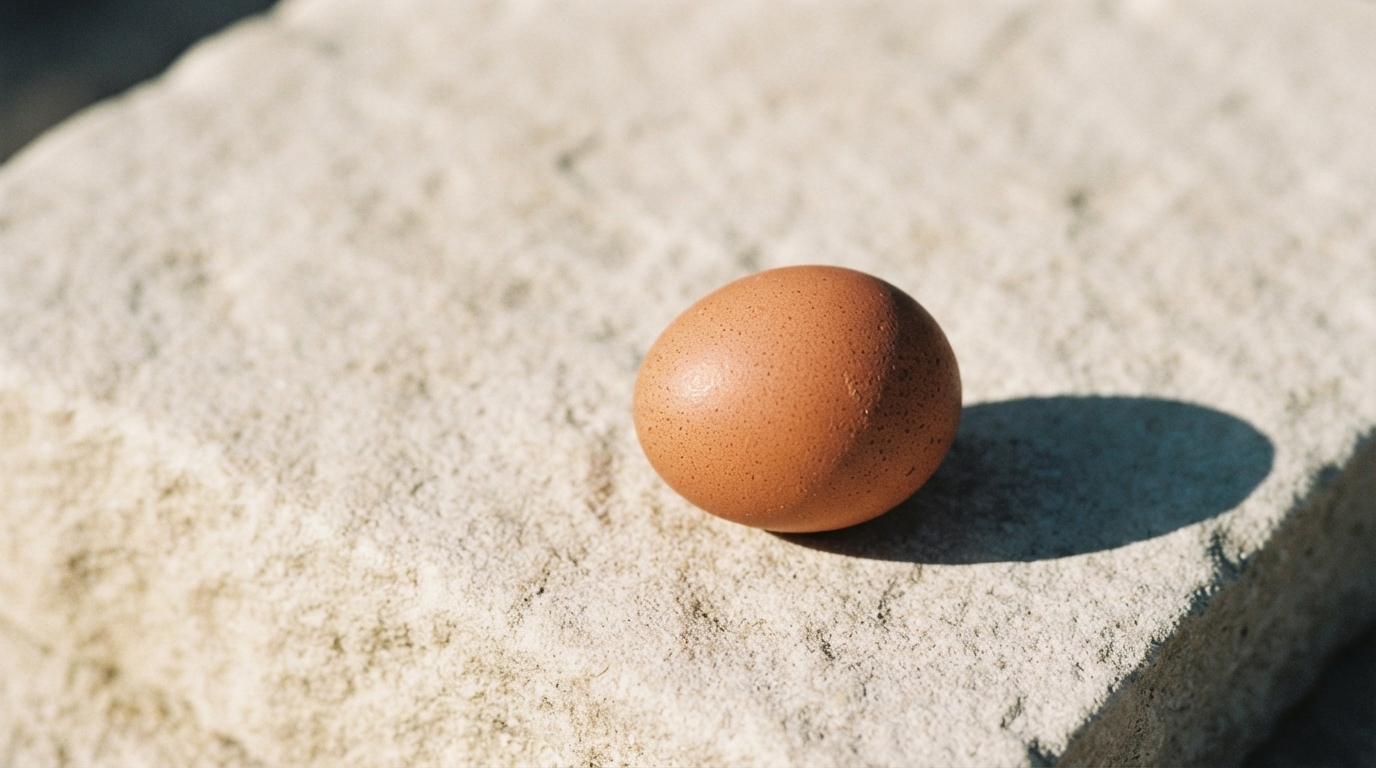
Two medium eggs weigh about 100 g out of the shell, so they give about 14 g of protein. Baked beans give less than the other pulses, which matters if beans on toast is your usual lunch.
How do I build high protein vegetarian meals?
Build every meal around one main protein food, served as a full portion rather than a spoonful. Most of these foods come from three families, and any of them can anchor breakfast, lunch or dinner.
Three places vegetarian protein comes from
Pulses and soya
Lentils, beans, tofu
- Filling
- Serve a full bowl
Dairy and eggs
Eggs, yoghurt, cottage cheese
- Quick to prepare
- Fits breakfast
Meat-free products
Quorn and similar
- Easy swap in recipes
- Check the label
Pulses and tofu need the biggest portions, because they carry a little over half the protein of eggs or Quorn, weight for weight. That’s why a bowl of dhal can fill you up and still be light on protein.
Take a jacket potato with beans for lunch and a lentil dhal for dinner:
- Half a tin of baked beans, about 200 g, gives about 10 g of protein.
- Add 100 g of cottage cheese and the topping comes to about 19 g.
- A 150 g bowl of cooked lentils gives about 12 g.
- Stir in 100 g of steamed tofu and dinner comes to about 20 g.
One added food raises the protein by two thirds or more. For what that means across a whole day, see how much protein you need a day.
Do you need to combine plant proteins at every meal?
No. Many people pair beans with rice, or hummus with pitta, so that the protein counts. Combining at every meal is mostly a myth, because a reasonable variety of protein foods across the day seems to be enough. Mixing them in one meal is simply a practical way to get that variety.
Research on adults eating vegetarian diets in western countries found that pulses, along with nuts and seeds, give enough protein on their own. The worry about missing building blocks of protein (amino acids) has been overstated.
Needing a shake or supplement to get enough is mostly a myth too. Where a meal falls short, add a second food from the table first. Most vegetarians usually have enough protein.
What should I change first?
Pick the meal that looks lightest in protein and make one swap there this week. Each of these adds a protein food without changing the whole meal:
- Breakfast: two eggs on your toast instead of jam, or a pot of Greek yoghurt alongside it.
- Lunch: tinned chickpeas or kidney beans in place of baked beans, which carry less protein. There are more ideas in healthy lunch ideas for work.
- Dinner: tofu or Quorn stirred into a lentil or vegetable dish, as in the dhal above.
- Snack: a bowl of edamame beans, or peanut butter on wholemeal toast.
If your appetite is small, eating enough protein on a small appetite shows where to begin. Keep that swap for a week. Then move on to the next lightest meal.
Sources
- McCance and Widdowson’s Composition of Foods Integrated Dataset (CoFID)
- Mariotti and Gardner. Dietary Protein and Amino Acids in Vegetarian Diets-A Review. Nutrients, 2019.
- The vegetarian diet (Eat well)