Is walking enough exercise?

In this article
Yes, walking is enough exercise for the aerobic part of the UK guidelines. Brisk walking counts as moderate activity, and 150 minutes of it a week meets the target for adults. A week of only walking leaves out muscle strengthening on two days, plus balance work if you’re older. If you already walk that much, add two short strength sessions before you add more walking.
Does brisk walking count towards the 150 minutes?
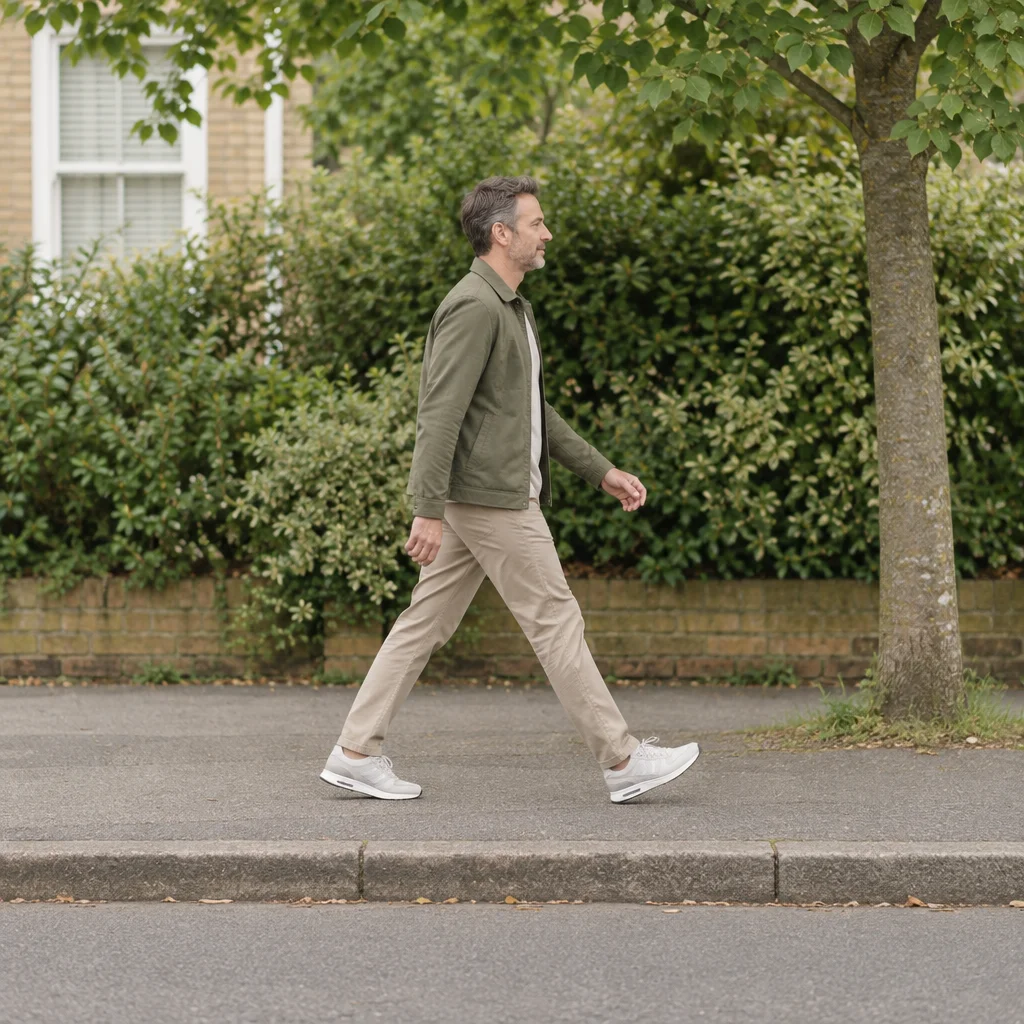
Yes, as long as it’s brisk. Adults should build up at least 150 minutes of moderate activity a week, and brisk walking is one of the named examples. The test is simple: you can talk, but you can’t sing. A slow amble with the dog still cuts the time you spend sitting, which helps in its own right, but it doesn’t count towards the 150 minutes.
Step counts point the same way. In a large study of 47,471 adults, more steps a day went with a lower risk of death, levelling off at about 6,000 to 8,000 steps for people aged 60 and over and 8,000 to 10,000 for younger adults. Research in 111,309 people found benefit from about 2,600 steps a day, with extra benefit from a faster pace. There’s more on targets in how many steps a day is enough.
What does walking not give you?
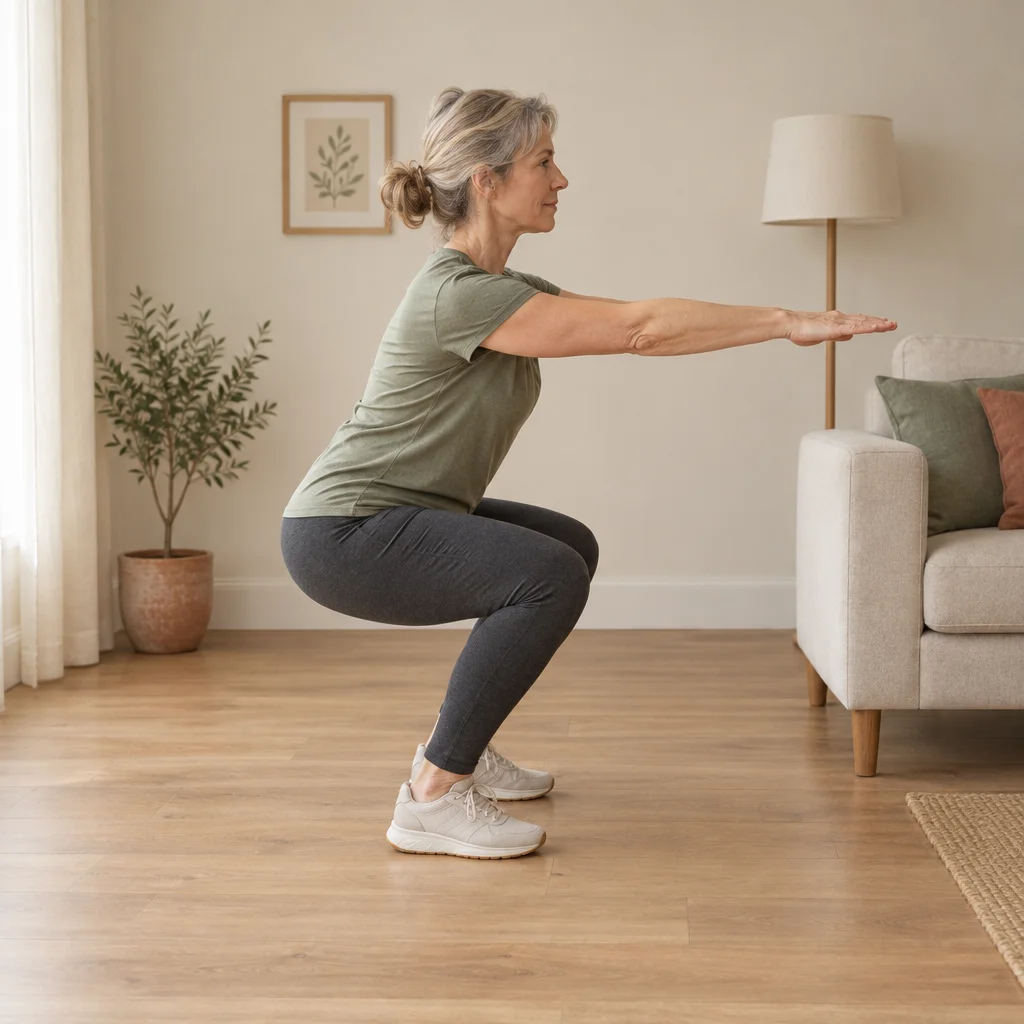
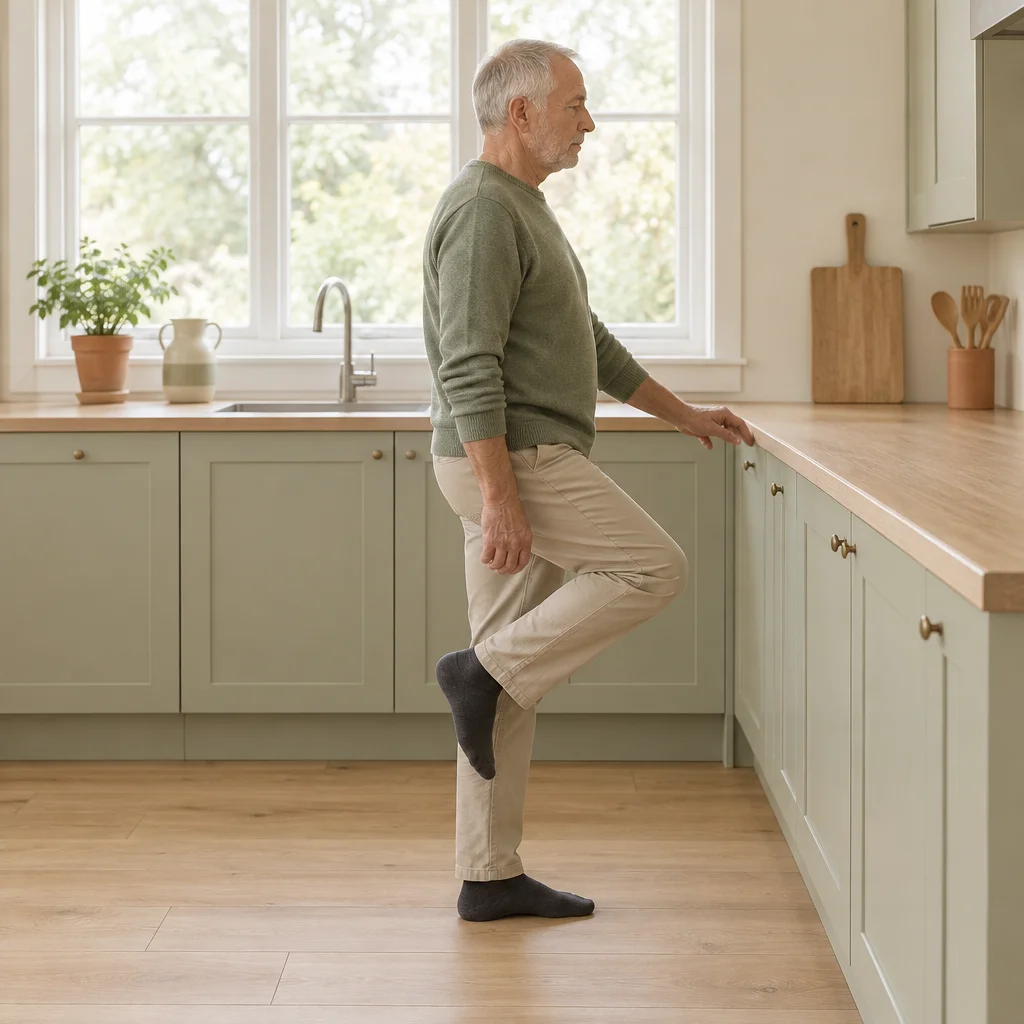
It leaves out strength work. Muscle strengthening is a separate recommendation, on at least two days a week, and if you’re older you should also fit in strength, balance and flexibility work on at least two days.
Strength work brings its own benefit. In a large study, muscle-strengthening activity went with a 10 to 17 per cent lower risk of death, heart disease, cancer and diabetes, whatever the aerobic activity, with the largest gain at about 30 to 60 minutes a week. People who did both had a lower risk of death than people who did neither. Here’s how the week divides.
What a week of walking covers, and what to add
Covered
Brisk walking
- Moderate effort
- 150 minutes a week
- Can talk, not sing
Add alongside
Strength work
- Two days a week
- All main muscle groups
For older adults
Balance work
- Alongside strength work
- Stand on one leg
Is walking enough exercise to lose weight?
On its own, walking brings modest weight loss. In research on brisk walking in adults with obesity, the average loss was about 2 kg. Women over 50 saw a smaller change on the scales. They put on a little muscle and other lean mass as they walked, and that hid part of the fat they lost. So the number on the scales can undersell what walking is doing.
Walking looks more useful for keeping weight off. In research on weight programmes, people who lost weight and kept it off walked about 8,500 steps a day, though this is still an early finding. Expect little from walking alone on the scales, and keep doing it anyway.
Does walking alone keep you fit?
Walking works your heart and lungs, but fitness has more than one part. Here’s our view on five common ideas.
| Idea | Our view | Why |
|---|---|---|
| You must hit 10,000 steps a day | The evidence says otherwise | There’s little evidence behind the figure, and benefit levelled off at 6,000 to 8,000 steps for people over 60. |
| Only fast walking counts | The evidence says otherwise | Brisk is enough: if you can talk but not sing, it’s moderate activity. |
| Walking alone keeps your muscle | Not studied | Nothing tests walking alone for muscle, and strength work is a separate recommendation for two days a week. |
| Strength work goes with lower risk of illness too | Worth doing | Strengthening went with a 10 to 17 per cent lower risk of death, whatever the aerobic activity. |
| Walking alone brings big weight loss | The evidence says otherwise | In research on brisk walking, the average loss was about 2 kg. |
How do you decide what to add?
Start with the gap in your week. If you walk briskly for fewer than 150 minutes a week, more walking usually comes first, because it is the easiest thing to add. If you already reach 150, strength work is the gap. If you’re older and feel less steady on your feet, add balance work too.
Say you’re in your fifties with 30 minutes a day to spare, and you’re weighing up a second walk against two short strength sessions. Walk briskly for 30 minutes every day and that’s 210 minutes a week. You’ve met the aerobic target with an hour to spare, but done no strength work at all.
Walk on five days and you still reach 150 minutes, which meets the target and leaves two 30-minute slots free. Use them for squats, lunges or a resistance band. That gives you 60 minutes of strength work a week. It’s the same half hour a day, and now both recommendations are met.
If strength work is new to you, start with less than you think you can do and add time slowly. There’s a fuller plan in how to start exercising again.
Sources
- UK Chief Medical Officers' physical activity guidelines
- Paluch et al. Daily steps and all-cause mortality: a meta-analysis of 15 international cohorts. The Lancet Public Health, 2022.
- Stens et al. Relationship of Daily Step Counts to All-Cause Mortality and Cardiovascular Events. Journal of the American College of Cardiology, 2023.
- Momma et al. Muscle-strengthening activities are associated with lower risk and mortality in major non-communicable diseases: a systematic review and meta-analysis of cohort studies. British Journal of Sports Medicine, 2022.
- Mabire et al. The Influence of Age, Sex and Body Mass Index on the Effectiveness of Brisk Walking for Obesity Management in Adults: A Systematic Review and Meta-Analysis. Journal of Physical Activity and Health, 2017.
- Saadeddine et al. Daily Steps During Nutritional Lifestyle Modification Programs for Obesity Management: A Systematic Review and Meta-Analysis. International Journal of Environmental Research and Public Health, 2026.